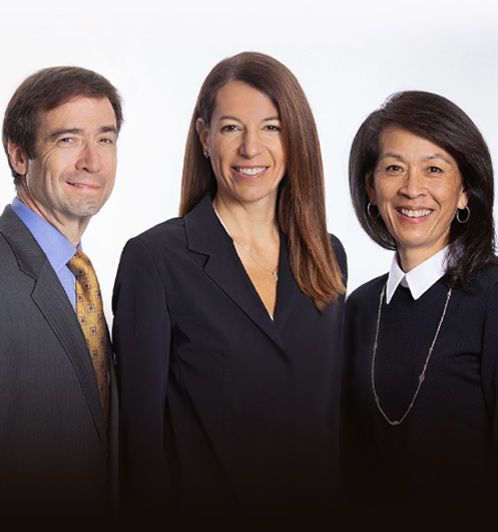
Founded over 30 years ago, Eye Physicians and Surgeons, P.A., remains a trusted eye care center in Wilmington, DE. Our ophthalmologists, optometrists, and opticians offer a wide range of services, from routine eye exams and corrective eyewear to advanced services for cataracts, glaucoma, diabetic eye disease, and more.
Over the last three decades, we have remained at the forefront of innovation in optometry and ophthalmology. For example, our ophthalmologists were the first in Delaware to perform laser-assisted cataract surgery, and our surgery center is the most advanced in the state.
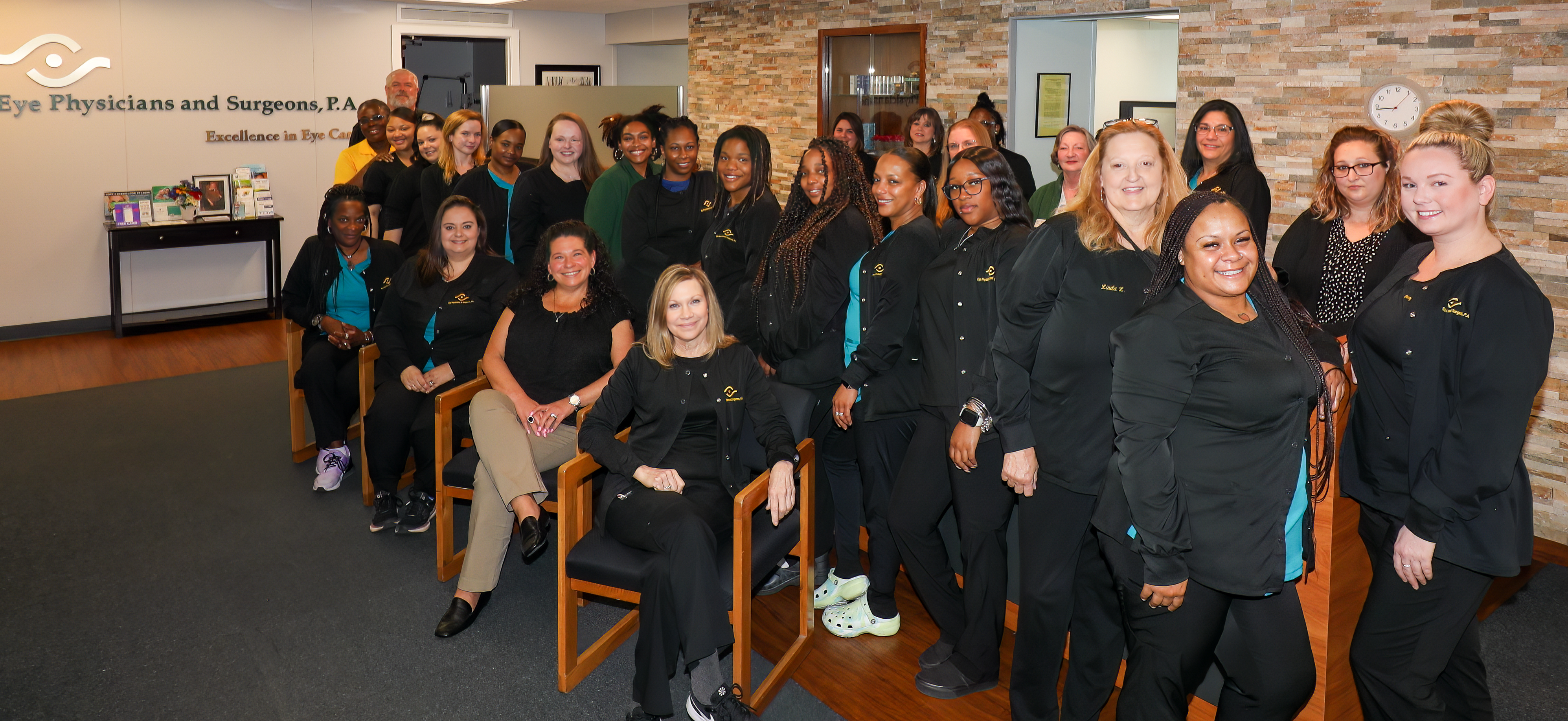
Our experienced team focuses on creating a warm, friendly environment. When you visit us, you can expect courteous, highly professional care.
We are a team of ophthalmic and optometric professionals who are committed to serving our community with the finest eye care available. Our staff is caring, warm, and friendly, and we recognize each patient as an individual, treating them in the way that we would want to be treated.
Is it time for a routine eye exam? Are you interested in improving your vision through expert refractive surgery or cataract surgery? Are you experiencing worrisome fluctuations in your eyesight? Make the right choice for your eye health and visit Eye Physicians and Surgeons, P.A., in Wilmington, DE.
When you contact our friendly patient coordinators, they can help you set up an appointment with the appropriate optician, optometrist, or ophthalmologist. You can contact us now or call
Desiree Thurmond
Wilmington, DE
2023
Very friendly and the dr showed skill, knowledge and care to his patients
View on GoogleKathleen Davies
Wilmington, DE
2023
Very thorough and kind. Allows as much time as you need and answers all questions. Highly recommend.
View on GoogleOur Wilmington optometrists conduct routine eye exams for patients of all ages. They can work together with our opticians to provide your family with high-quality contact lenses and eyeglasses.
Our team of eye doctors includes highly specialized ophthalmologists who diagnose, treat, and manage serious and complex eye conditions, like glaucoma, macular degeneration, and retinal conditions.
Our ophthalmologists in Wilmington, DE, can use cutting-edge laser technology to reshape your cornea and potentially help you achieve 20/20 vision. We prefer to perform PRK surgery for exceptional outcomes.
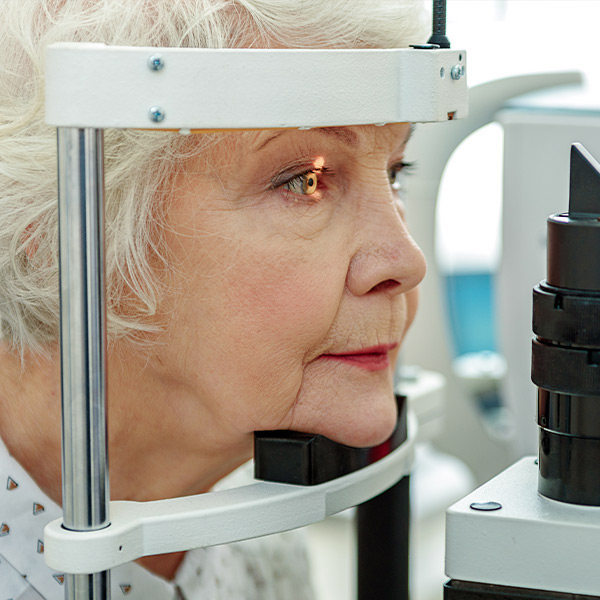
Most of us will develop cataracts as we age. Through laser cataract surgery, our ophthalmologists can remove the clouded lens of your eye and replace it with a premium intraocular lens (IOL).
Astigmatism (Toric)
Multifocal (Symfony)
Vision Correction
Corneal Disease
DSAEK and DMEK
Full-Thickness
Laser
Injections
Surgery
Full-Service Optical
Medical
SLT Laser
Surgical Treatment
Diagnosis and Medical Treatment
Injections
Surgery
Laser
Injections
Diagnosis and Medical Treatment
Injections
Dr. Minkovitz performs photorefractive keratectomy (PRK) out of our cutting-edge surgery center in Wilmington, DE.
PRK is a refractive surgery that uses a laser to reshape the cornea, correcting nearsightedness, farsightedness, or astigmatism.
Dr. Minkovitz recommends PRK over LASIK because it does not involve the creation of a corneal flap, making it safer for your eye. Additionally, more patients can qualify for PRK.
Macular degeneration occurs when the macula, which is responsible for your straight-ahead vision, slowly deteriorates. It's most prevalent in patients over 65.
While there is no cure for macular degeneration, the advanced treatments available from our optometrists and ophthalmologists can slow the progression of the condition.
We offer multiple options, including thermal laser photocoagulation, photodynamic therapy, and injections.
1207 N Scott St
Wilmington,
DE 19806
Open Today 7:30am - 5:00pm
Fax: (302) 656-9979
314 E Main Street
Suite 302
Newark,
DE 19711
Closed Today
Please call for hours (302) 652-3353
Our ophthalmic surgery center in Wilmington, DE, is one of the newest facilities of its kind in the state. It features the WaveLight® Allegretto Wave® Eye-Q excimer laser, which our ophthalmologists use to perform PRK and other laser surgeries with extreme precision.
Our surgery center is also home to Haag-Streit Lenstar LS900® technology and an Alcon® LenSx® laser, which helps us plan and execute cataract surgery.
Faye Sappington
Wilmington, DE
2022
Dr. Glazer is always amazing ... no matter how busy the office is, she always takes her time and makes you feel like you are her only patient. She is an excellent doctor and, in fact, saved my sight the first time I saw her.
I consistently recommend her to anyone who asks me for an eye specialist.
Frank DeSantis
Wilmington, DE
2023
I continue to be impressed with the professionalism & efficiency of the practice. Dr. Minkovitz is always professional, easy to talk to and takes the time to explain the options available. After monitoring my cataract for several years, we have reached the point, where it is time to move forward with the surgery. I am looking forward to having it done with no trepidation.
View on GoogleWe want all families in Wilmington, DE, to enjoy excellent eye health and perfect vision, so we make paying for our services as easy and convenient as possible. We accept most major medical and routine vision insurance plans. We can help you make sense of your insurance policy to ensure that you access every available benefit.
In addition to insurance, we accept all major credit cards and offer financing through CareCredit®. CareCredit allows qualifying patients to pay for visits through low-interest or no-interest monthly payment plans.
Eye Physicians and Surgeons, P.A., has been a trusted fixture in the community for more than three decades. Our caring, expert staff is affiliated with the:
Call us at (302) 652-3353, use our online form to request a consultation, or email us.
Locations
We have 3 locations We have three convenient locations in Delaware
"Wonderful staff and lots of friendly faces. Everyone eager to answer questions and make your visit a pleasant experience. Cataract surgery with Dr. Minkovitz was terrific - his surgical staff was efficient and helpful. Thanks Eye Physicians and Surgeons!"
1207 N Scott St
Wilmington,
DE 19806
Open Today 7:30am - 5:00pm
Fax: (302) 656-9979
314 E Main Street
Suite 302
Newark,
DE 19711
Closed Today
Please call for hours (302) 652-3353










:quality(100)/https://einstein-assets.imgix.net/shutterstock_207839617.jpg)
:quality(100)/https://einstein-assets.imgix.net/IOL-1314329966.jpg)